
NEWS
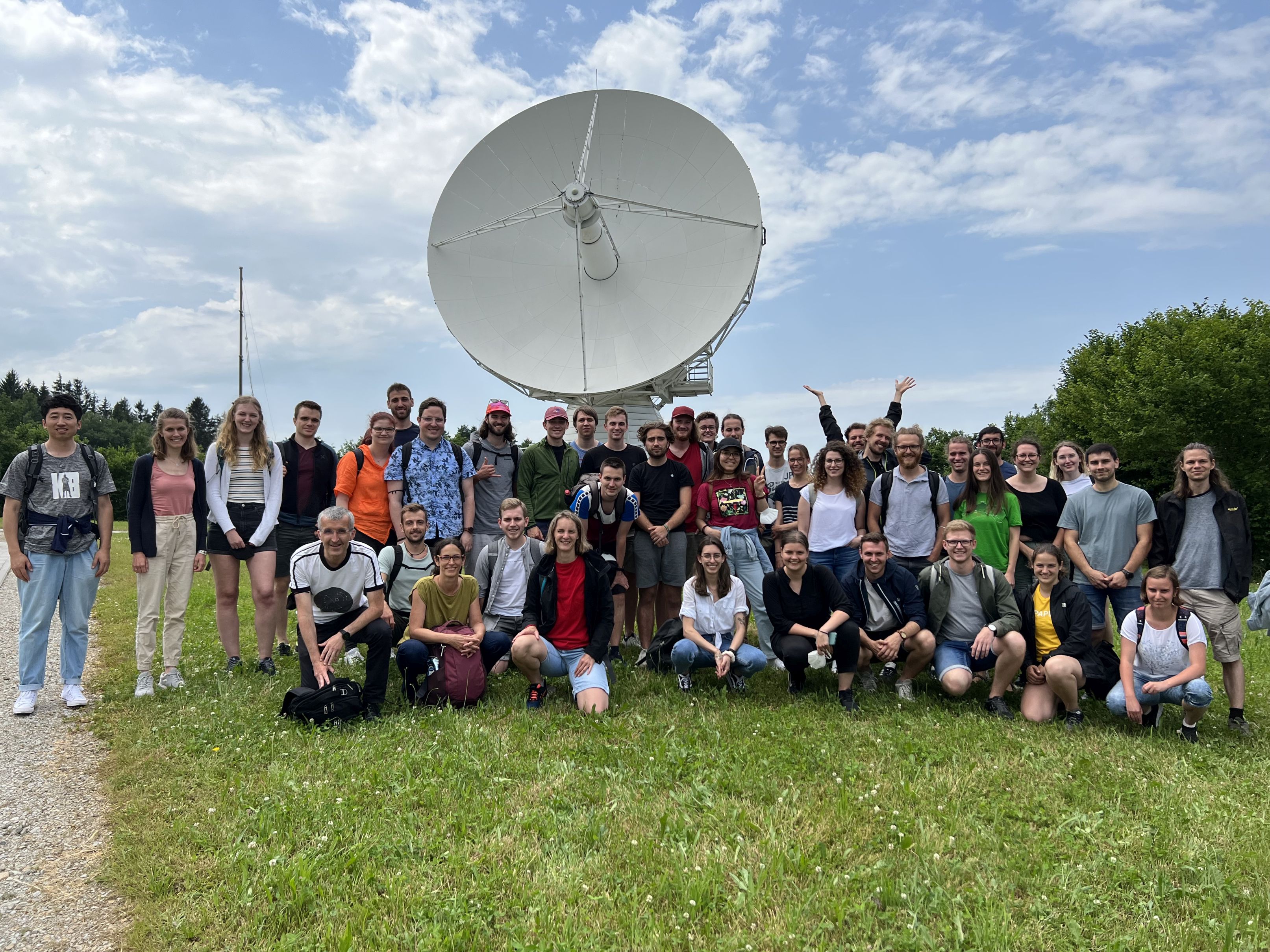
Excursion to the Geodetic Observatory Wettzell
On June 20, the excursion to the Geodetic Observatory Wettzell organised by the Vienna VLBI Group took place. This year, 34 students and 7 staff members participated in the trip to the Bavarian Forest. At the observatory, we were able to inspect three VLBI antennas, two SLR/LLR systems, many GNSS antennas and a DORIS beacon. Moreover, we were able to get insight information on the on-site ring laser and additional telescopes observing the space weather.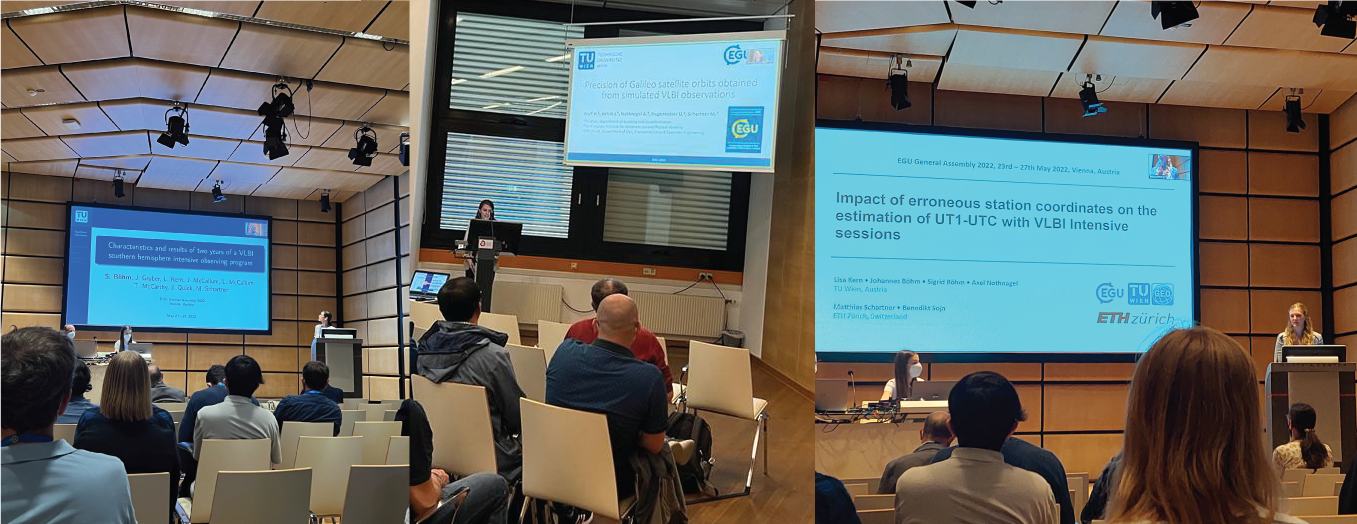
Vienna VLBI Group at EGU 2022
- Characteristics and results of two years of a VLBI southern hemisphere intensive observing program (Sigrid Böhm et al.)
- Precision of Galileo satellite orbits obtained from simulated VLBI observations (Helene Wolf et al.)
- Impact of erroneous station coordinates on the estimation of UT1-UTC with VLBI Intensive sessions (Lisa Kern et al.)
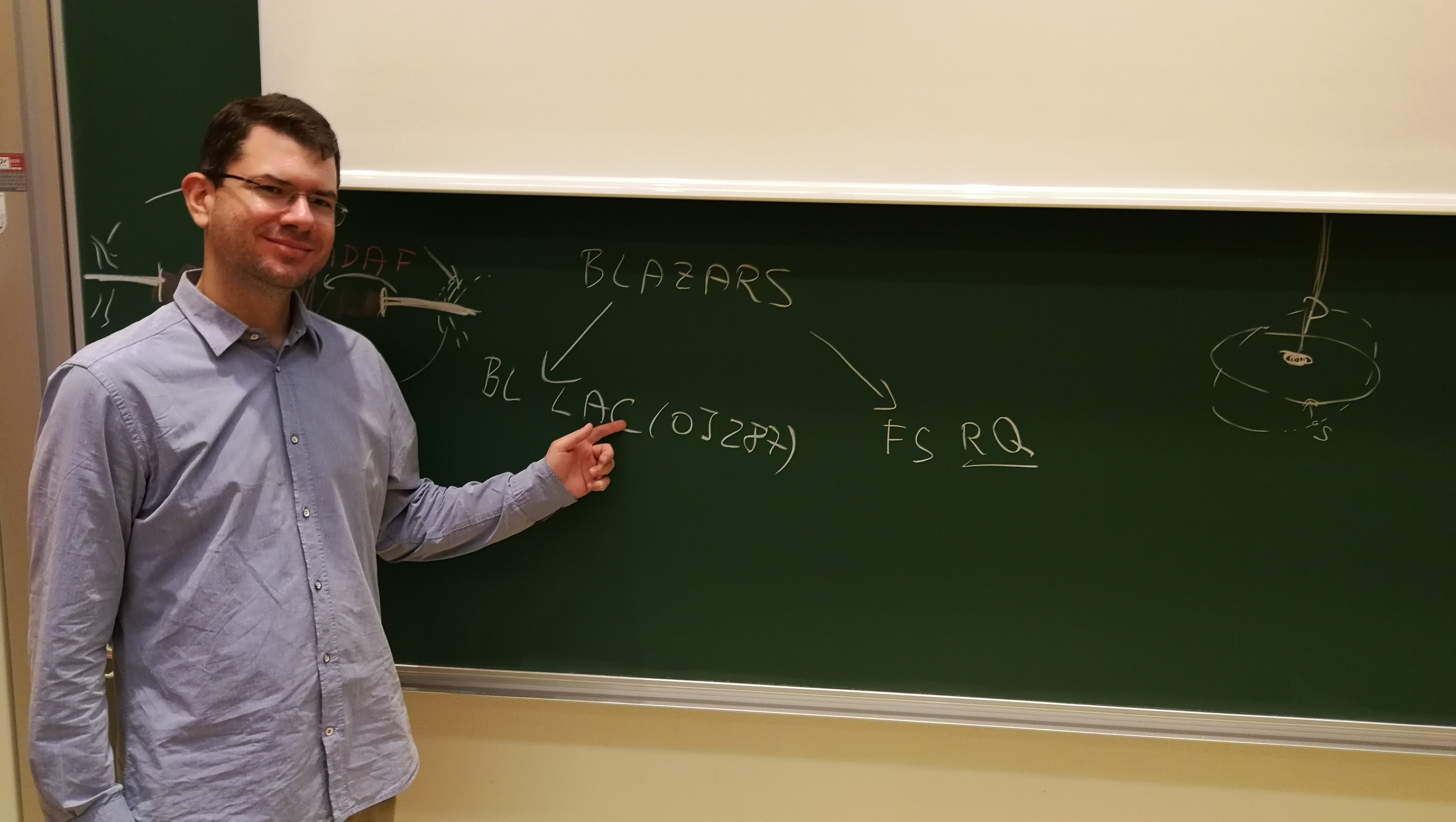
Seminar on jet precession in VLBI data by Michal Zajaček
On September 30, 2021, Michal Zajaček from the Masaryk University in Brno visited TU Wien and gave a seminar talk on short-term jet precession in VLBI data. It was very interesting to see where astrophysics and geodesy have common topics and goals.
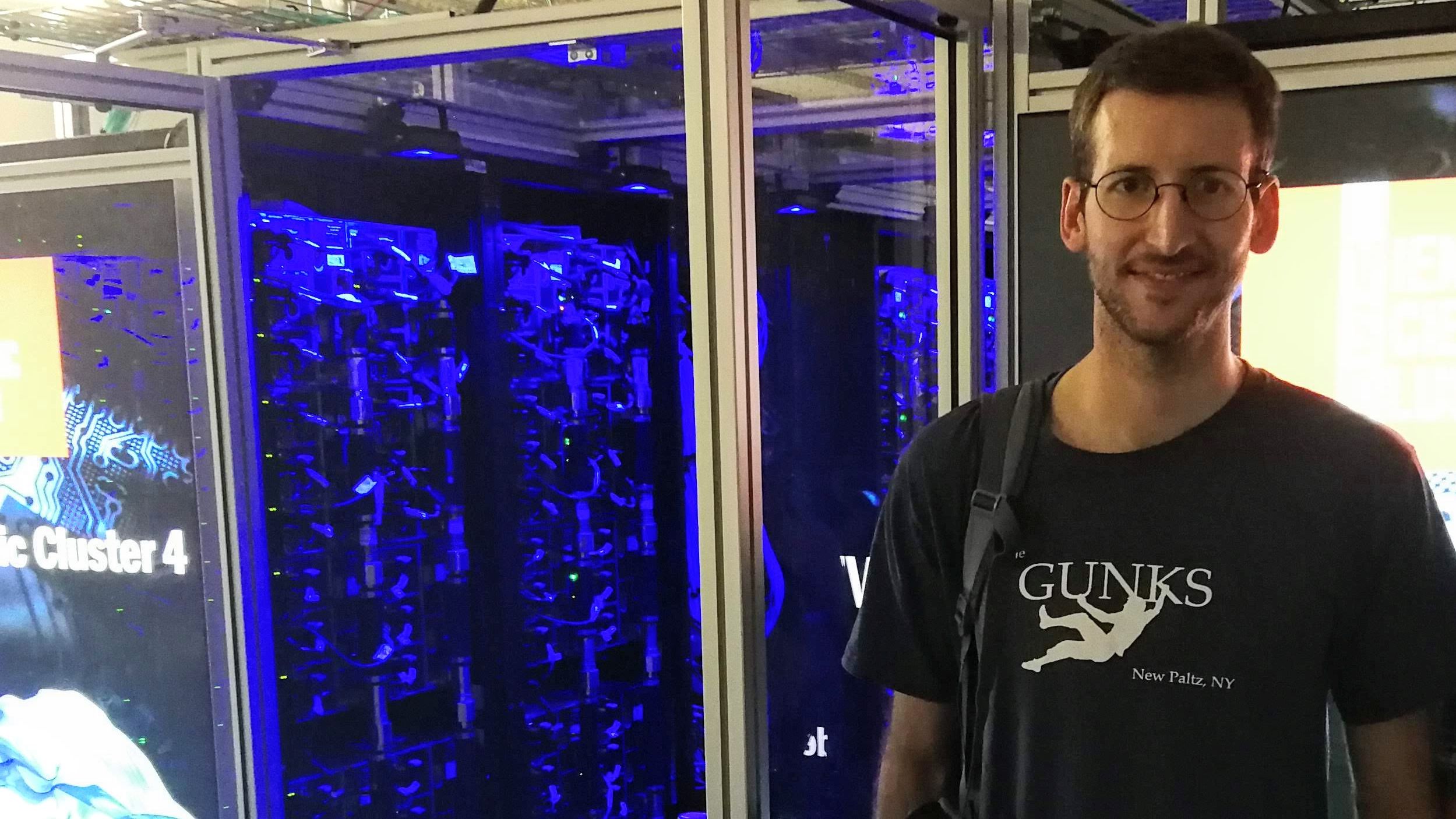
First IVS VGOS session successfully correlated at TU Wien
For the first time, a 24h VGOS session of the International VLBI Service for Geodesy and Astrometry (IVS) was correlated at TU Wien. Eight globally distributed radio telescopes participated in session VO1021 on January 21, 2021, each observing quasars with a data rate of 8 Gbit/s. In total, more than 220 TByte had to be e-transferred to Vienna before being processed on the Vienna Scientific Cluster 4. The session fit of the finally used 11 thousand observations was 20 picoseconds.
New software to simulate raw telescope data for VLBI
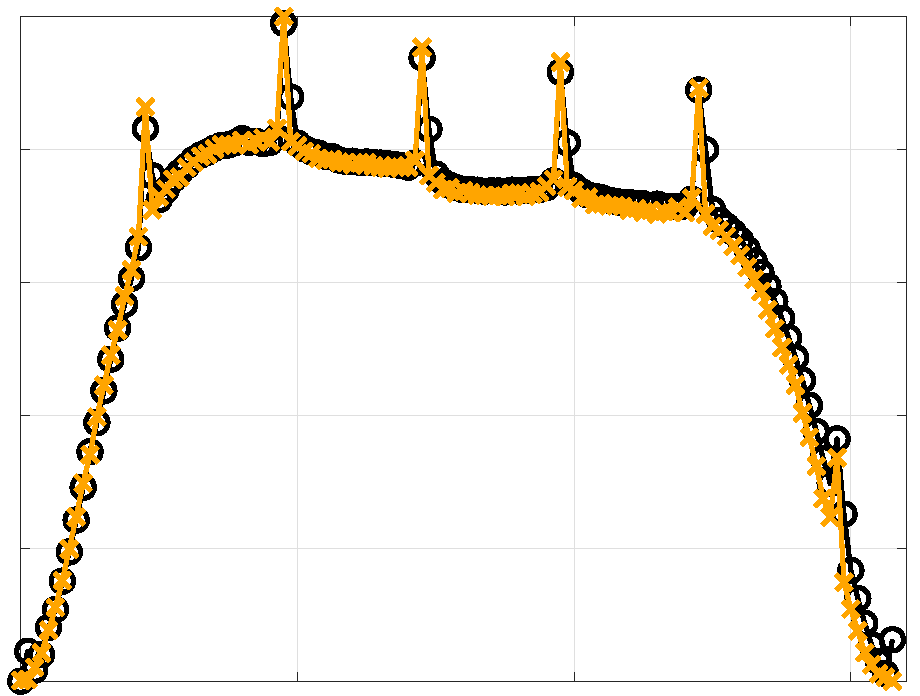
Jakob Gruber has developed software to simulate raw telescope data for VLBI (VieRDS). Interested? The software is available via Github and the description with the mathematical background has just gone online as open access paper. @IVS_OOC
Paper on ICRF3 published in A&A
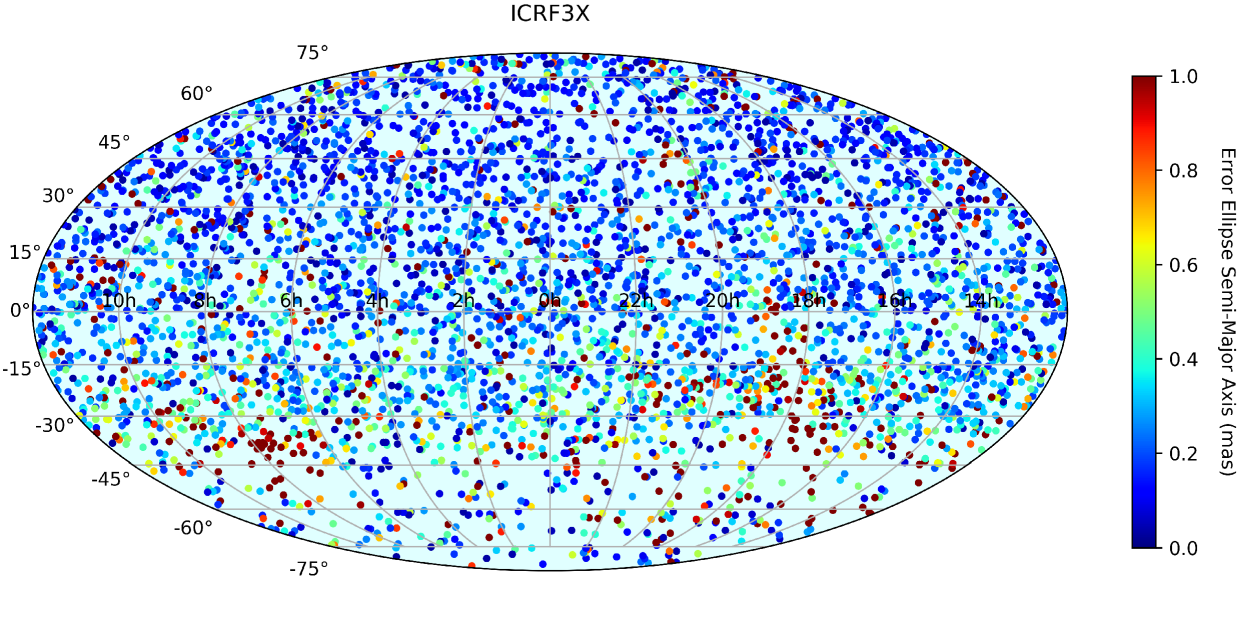
What a nice Christmas present: the paper on the ICRF3 is finally published in A&A: https://doi.org/10.1051/0004-6361/202038368 . Wien is very happy and honored to have been part of this great achievement! @IVS_OOC @tu_wien
IVS Newsletter online
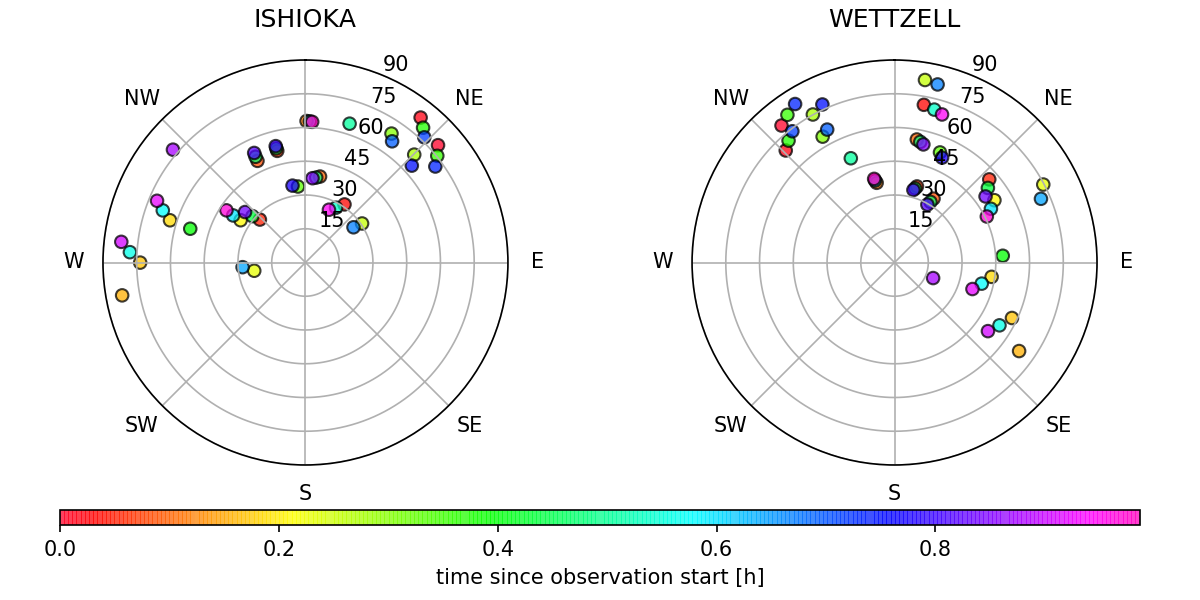
Do not miss the December 2020 issue of the IVS Newsletter! @IVS_OOC It features the Celestial Reference Frame with great interviews by “CRF veterans”. It also introduces the joint Operation Center by Wettzell, Zürich, and Wien. https://ivscc.gsfc.nasa.gov/publications/newsletter/issue58.pdf
Saying goodbye to Matthias
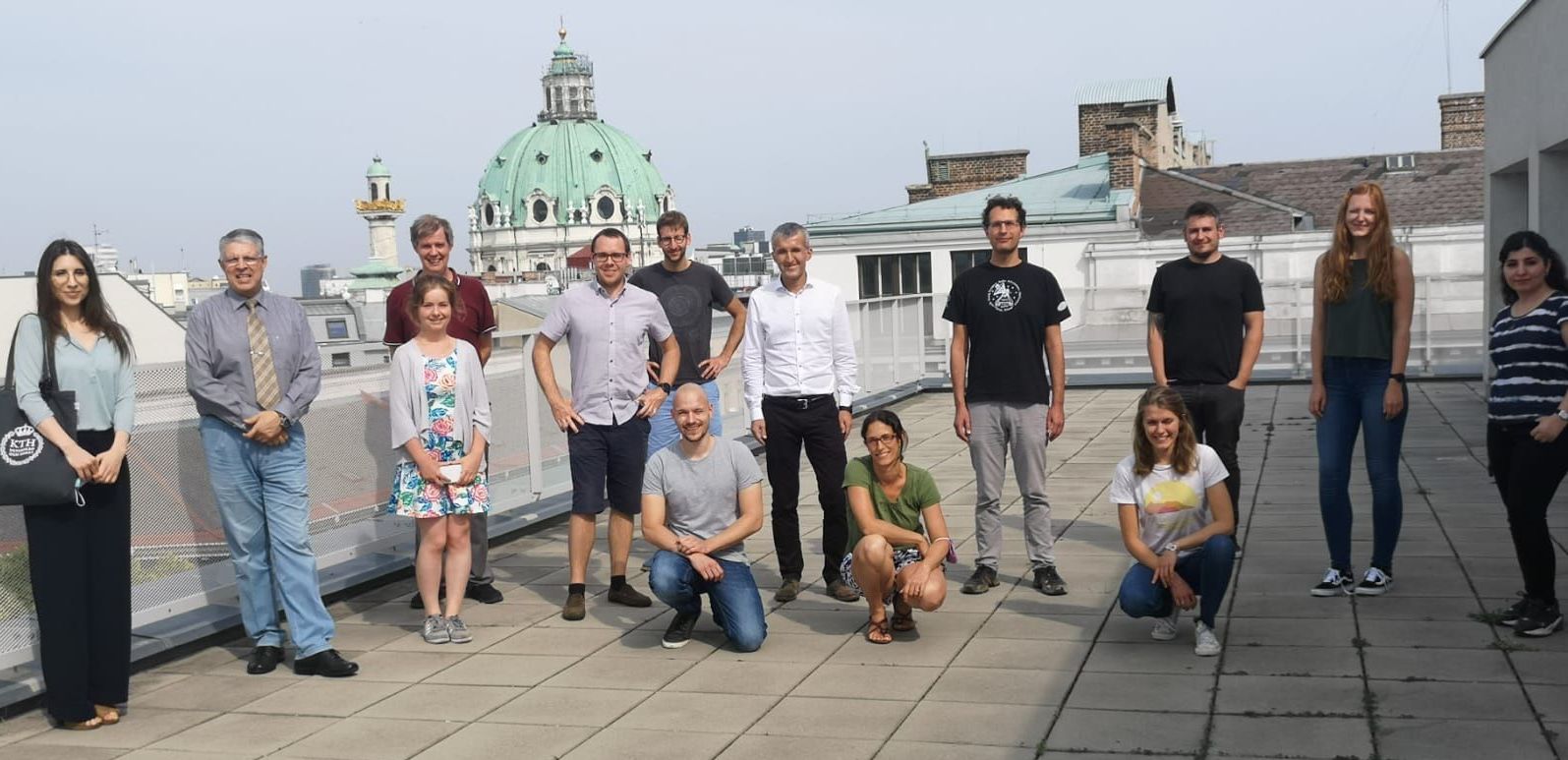
Matthias will leave TU Wien with the end of September 2020, starting at ETH Zürich (Space Geodesy group of Benedikt Soja) on October 1. Matthias, it was a pleasure having you at TU Wien, we wish Laura and you all the best for the future, and we are looking forward to a close co-operation between our groups.

Welcome Frederic at TU Wien
We are very glad to have a new member in the Vienna VLBI group: Frederic Jaron. He is an experienced VLBI-ler with a background in astrophysics and interest in a wide variety of VLBI topics. Among other topics, he will look into source structure effects in VGOS observations.
VieVS Days 2020 held as Webinar
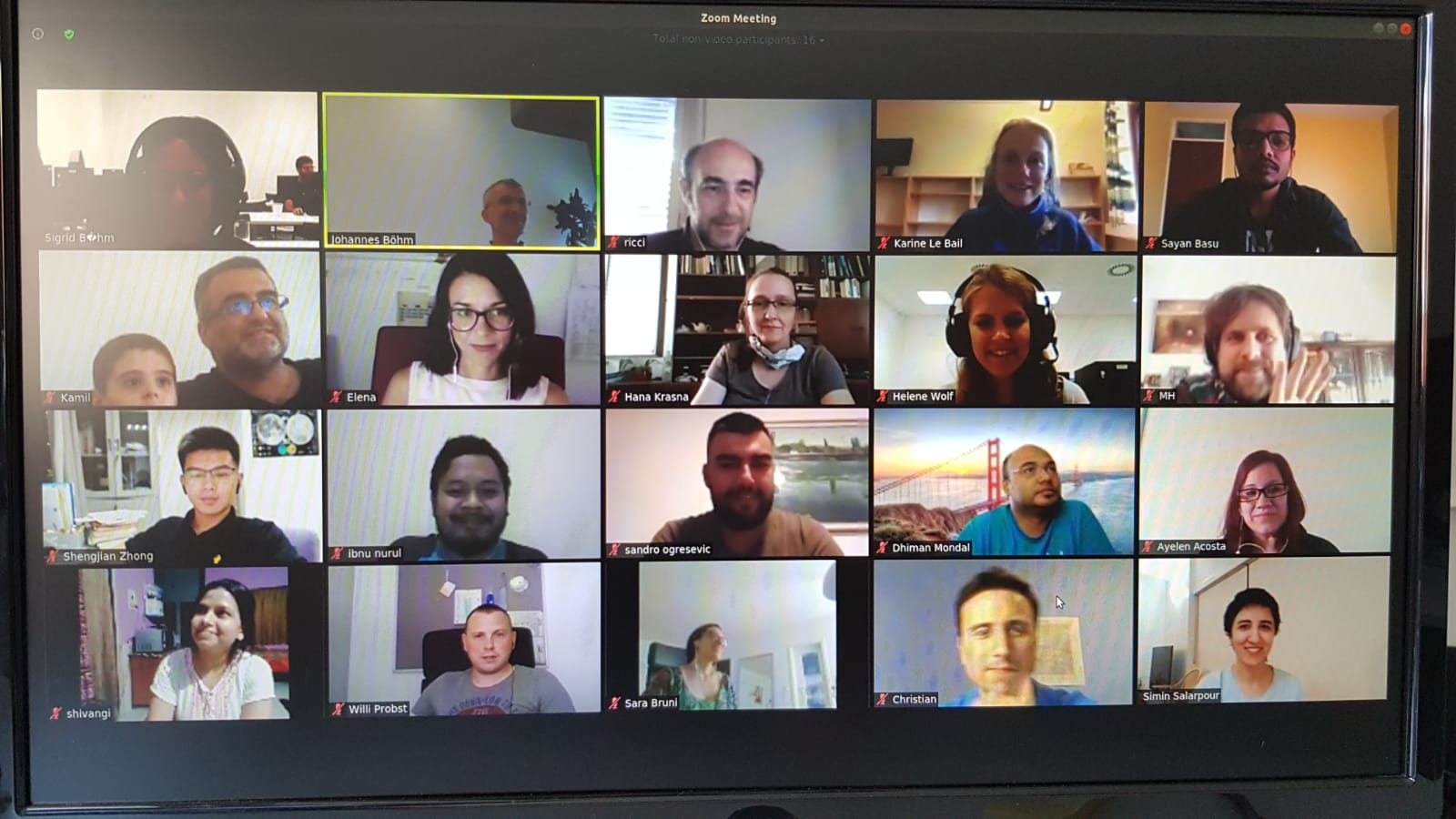
This year’s edition of the VieVS Days was held online as webinar from September 14 to 15. While the first day was devoted to the VLBI module of the Vienna VLBI and Satellite Software (VieVS) with lectures by Helene on single session analysis and Sigrid on global solutions, Matthias focused on the scheduling package VieSched++ on the second day. More information is available here: https://vievswiki.geo.tuwien.ac.at/